Start with placement and route
- Can a delivery truck approach directly, or are there tight turns behind hotels or along narrow service lanes?
- Is the pad paved, compacted, or sandy? Soft ground may require timber mats or a more compact container size.
- Will doors need to face an active walkway or alley? Clearance for swing doors matters in crowded areas.
Coastal conditions that change the plan
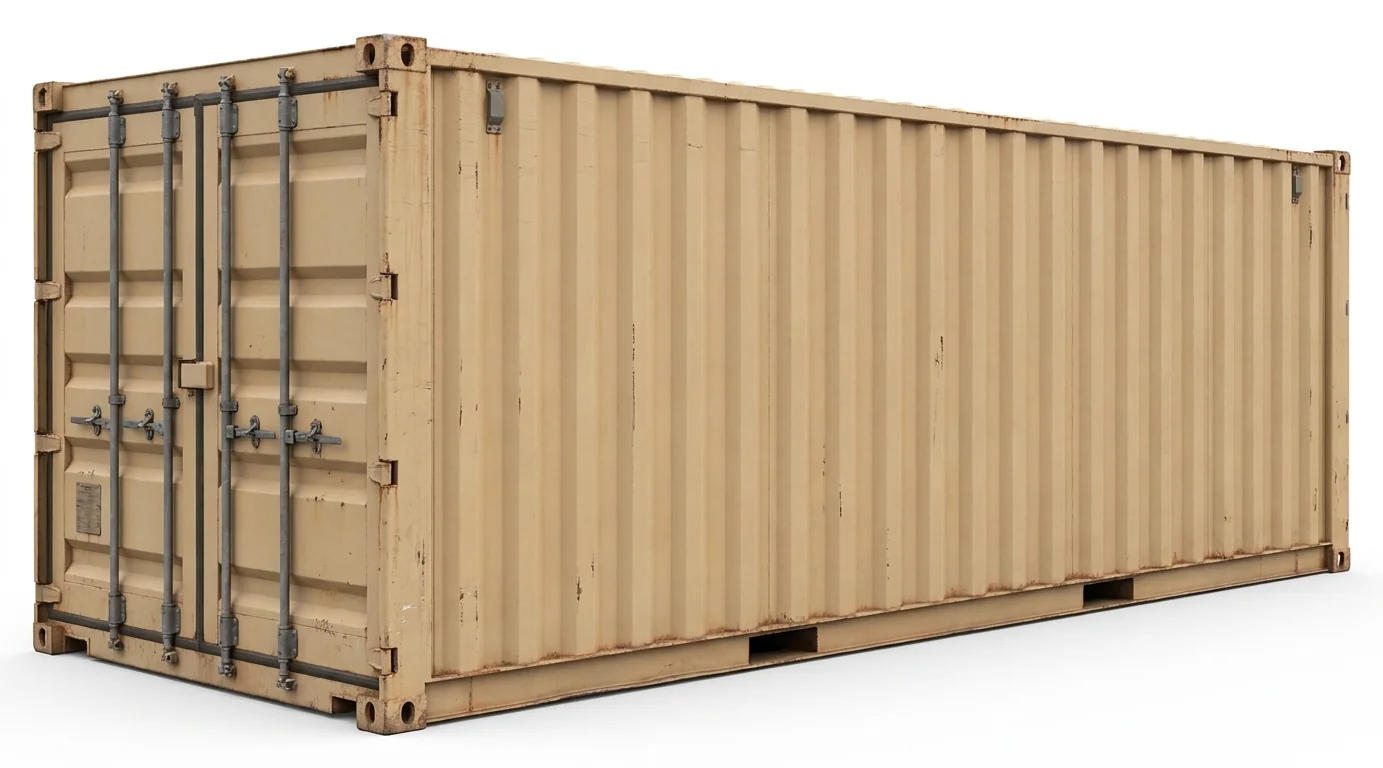
In Virginia Beach, persistent humidity and salt mist can condense inside containers, affecting stored finishes, electrical parts, or paper goods. For ocean-facing or open-lot placements, look for units with intact door seals, options for passive ventilation, and corrosion-resistant exteriors. Wind exposure also guides whether you position the container lengthwise along prevailing winds to reduce door strain.
Capacity and interior configuration
- Length and height: match to palletized loads, lift access, and headroom for maintenance items.
- Access pattern: frequent in-and-out favors double-door or side-access layouts to reduce handling.
- Flooring condition: check for moisture tolerance if staging near wash-down areas or after heavy rain.
Ground conditions and stability
- On sand or fill, distribute weight to limit settlement and maintain door alignment.
- In paved resort zones, ensure the footprint clears drainage paths and emergency access.
Integration with site equipment
If containers will stage parts for elevated work, align aisle widths and door orientation with lift approaches: - /forklift-rental/ for pallet moves on slabs - /telehandler-rental/ for rougher approaches or set-backs - /electric-scissor-lift-rental/ for indoor staging near building cores
Security and visibility
Temporary fencing around container yards can improve separation from public areas. See /temporary-fencing-barricades-rental/ for perimeter planning.
Contact
Share site drawings, approach widths, and surface conditions through /contact/ for a more precise plan.